
EnduraLife Training Journal
RPE Guide for Endurance Training
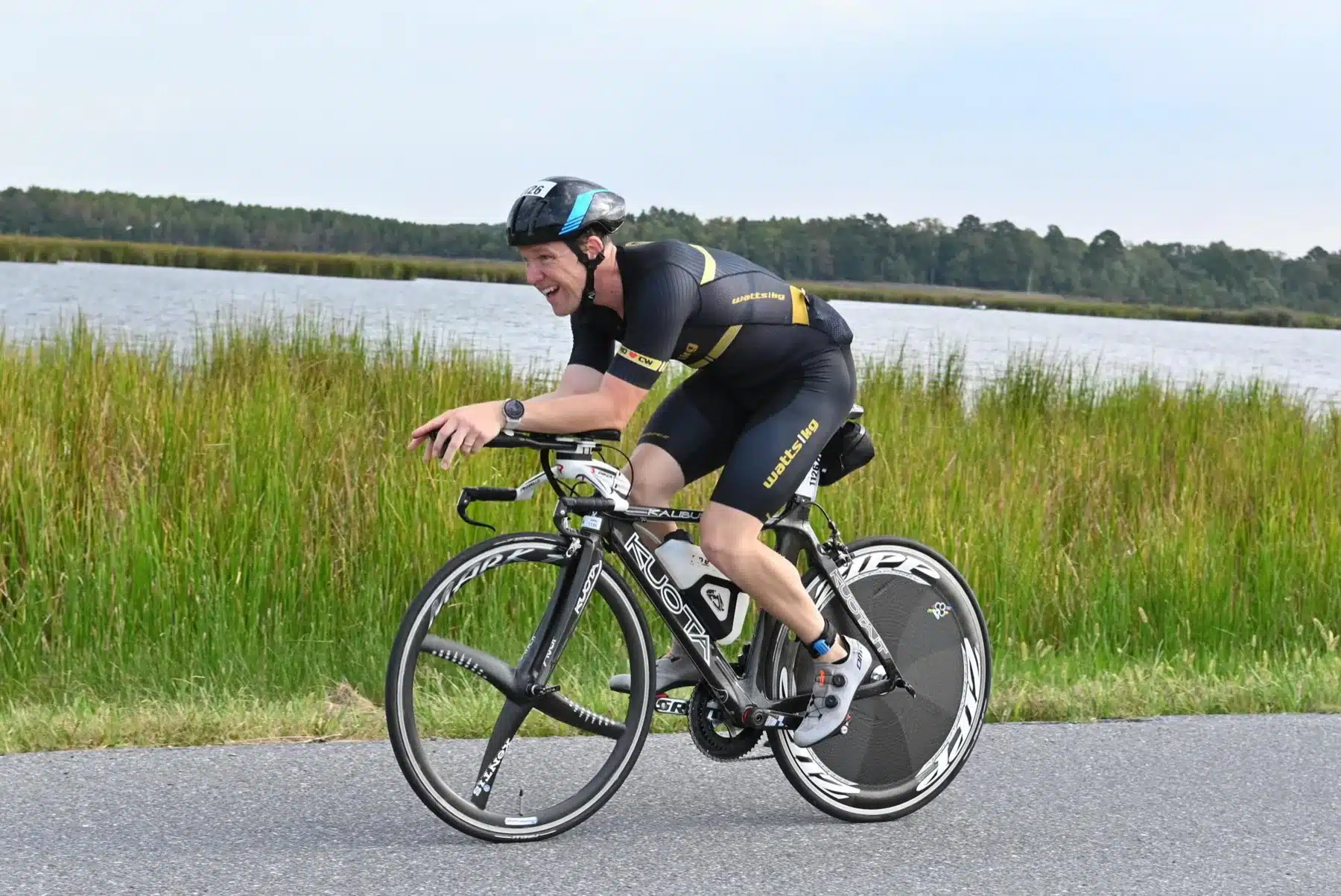
Rating of perceived exertion, or RPE, is a simple way to describe how hard a session feels. For endurance athletes, it adds context that pace, power, and heart rate cannot always provide on their own.
What RPE measures
RPE is the athlete's assessment of effort. Coaches may use different scales, so always confirm the one attached to your plan. On a 1 to 10 scale, the low end represents very easy work and the high end represents a near-maximal effort.
The number should reflect the total experience of the work, including breathing, muscular strain, concentration, and how sustainable the effort feels.
A practical 1 to 10 framework
- RPE 1 to 2: Very easy movement or recovery effort.
- RPE 3 to 4: Comfortable aerobic work with controlled breathing.
- RPE 5 to 6: Moderate, purposeful effort that requires attention.
- RPE 7 to 8: Hard work that is sustainable only for a limited period.
- RPE 9 to 10: Very hard to maximal work used selectively.
These descriptions are intentionally broad. The duration matters. An RPE 7 interval lasting a few minutes is different from calling an entire two-hour session RPE 7.
Why effort can change at the same pace
Heat, hills, wind, fatigue, hydration, stress, and accumulated training can all change the cost of a given pace or power. RPE helps capture that change. A pace that felt easy last week may feel moderate today, and that difference is useful feedback.
How to record useful RPE
Record the effort soon after training. Add one short note about the reason: heavy legs, controlled breathing, poor sleep, strong finish, or unexpected heat. The goal is not to write an essay. It is to give future you and your coach enough context to interpret the session.
Use RPE with other information
RPE does not need to replace heart rate, pace, or power. It can sit beside them. When the numbers and perceived effort disagree, the mismatch often creates a useful question about conditions, fatigue, equipment, or fitness.
Persistent unusual fatigue, dizziness, chest pain, or other concerning symptoms should not be treated as a coaching puzzle. Stop training and seek appropriate medical guidance.
Turn workout feedback into better planning.
Online coaching creates a regular process for reviewing effort and adjusting training.
Explore Endurance Coaching