
EnduraLife Training Journal
Strength Training for Endurance Athletes
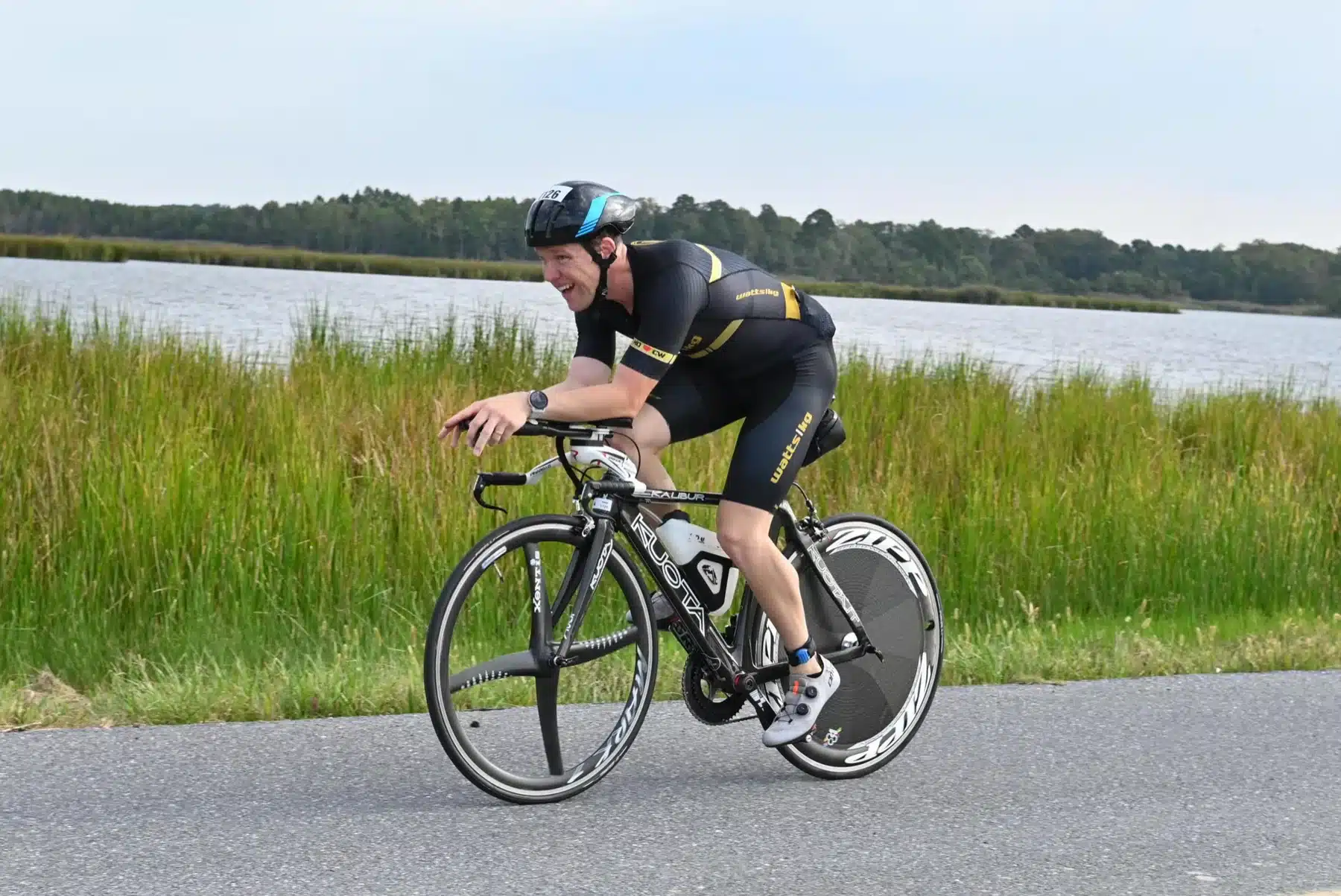
Strength training for endurance athletes should support the primary sport, fit the athlete's recovery capacity, and progress from a realistic starting point. The goal is not to copy a bodybuilder's schedule or turn every gym session into conditioning.
Why strength belongs in the conversation
Runners, cyclists, swimmers, and triathletes spend most of their sport-specific time repeating similar movement patterns. Strength training provides a controlled way to challenge muscles and movements outside that repetition.
For general health, the CDC recommends that adults include muscle-strengthening activity on at least two days each week. An endurance athlete's exact program still needs to account for training age, event demands, and the total weekly workload.
Choose movements before chasing variety
A strength plan does not need a long list of novel exercises. It needs movements the athlete can perform with appropriate technique and progress over time. Lower-body patterns, upper-body pushing and pulling, trunk work, and single-leg control may all have a place, but the selection should match the person and available equipment.
Consistency with a smaller set of useful movements makes progression easier to see. Variety can be added when it solves a problem, not simply because the workout needs to look different.
Schedule around endurance priorities
Look at the important run, ride, or swim sessions before placing strength work. A demanding lower-body session immediately before a key run may reduce the quality of both. Some athletes pair harder work on the same day to preserve easier days. Others need a different structure because of work or recovery.
There is no universal calendar. The correct schedule is the one that supports the main training goal and can be repeated.
Progress gradually
Start with an amount of work the athlete can recover from. Add load, repetitions, sets, or movement difficulty with purpose. Adding everything at once makes it difficult to understand what caused excessive soreness or fatigue.
Know when to get individual guidance
If you have pain, a recent injury, or a medical condition, speak with a qualified healthcare professional before changing training. A coach can design exercise and training structure, but coaching is not medical diagnosis or treatment. Learn where coaching fits on the injury recovery and prevention training page.
Make strength part of the full week.
Galen offers remote strength programming and local personal training near Bucks County.
Explore Strength Coaching